

By Darshini Dayanidhi
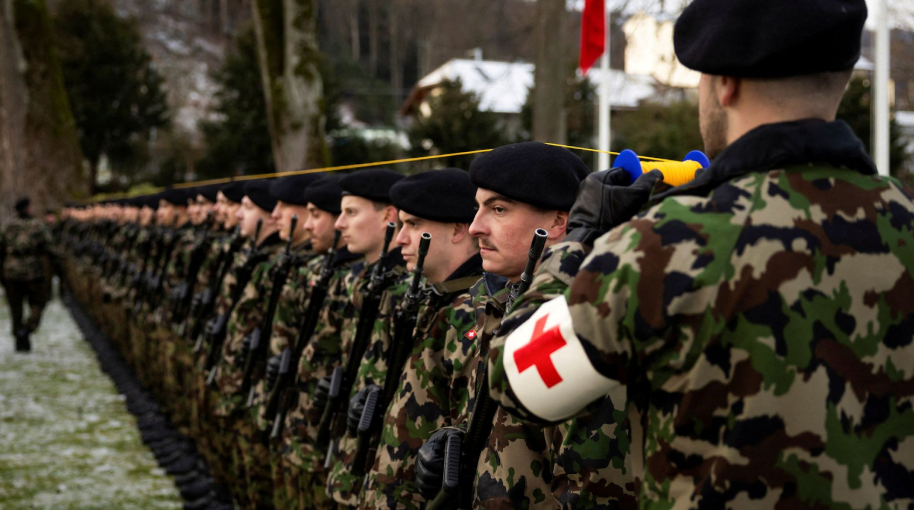
Swiss voters recently rejected a nationwide proposal that would have made military service mandatory for women. The initiative aimed to overhaul Switzerland’s long-standing system, which currently requires only men to serve in the army. Women may volunteer, but they are not obligated to participate.
The proposal, known as the Civic Duty Initiative, called for a universal service requirement for all citizens. Supporters argued that the existing system is outdated and that expanding service would promote gender equality and strengthen sectors such as emergency response, health, and environmental work. Several youth groups and some left-leaning politicians backed the idea, presenting it as a modern, fair alternative to the traditional male-only draft.
Opposition, however, was both stronger and more widespread. The Swiss Federal Council, most members of parliament, senior defense officials, and the majority of major political parties advised voters to reject the initiative. Their main concern was that the reform would disrupt the militia model that underpins the country’s army and civil protection units. Critics warned that requiring service from everyone could strain the labor market, cost too much to implement, and weaken the reliability of the current military staffing system. Many also argued that the proposal did not clearly explain how universal service would work in practice.
When the vote was held, the results were one sided. About eighty four percent of voters said no to the initiative, and every canton rejected it. Turnout was under fifty percent, but the scale of the opposition showed that the proposal failed to convince the public across all regions. Analysts noted that while many voters liked the idea of improving civic engagement, they hesitated to rewrite the constitution for a plan that raised more questions than answers.
Reactions in Switzerland reflected that divide. Supporters of the initiative expressed disappointment but said they would continue pushing for reforms that expand civic participation and recognize the value of care work. Opponents celebrated the vote as a confirmation of Switzerland’s existing defense model and a signal that the public prefers gradual adjustments instead of sweeping constitutional changes. Government officials acknowledged the outcome and emphasized that while universal service is off the table, conversations about strengthening civil protection and recruiting more volunteers will continue.
For now, nothing changes in Swiss law. Men remain subject to mandatory service, while women may continue to volunteer. Policymakers who supported broader civic involvement are already shifting their focus to smaller, more targeted reforms that might attract wider support. The referendum showed that Swiss voters are willing to debate big ideas, but they expect clear plans and broad political backing before approving major revisions to national service.