

By: Aarav Sapra
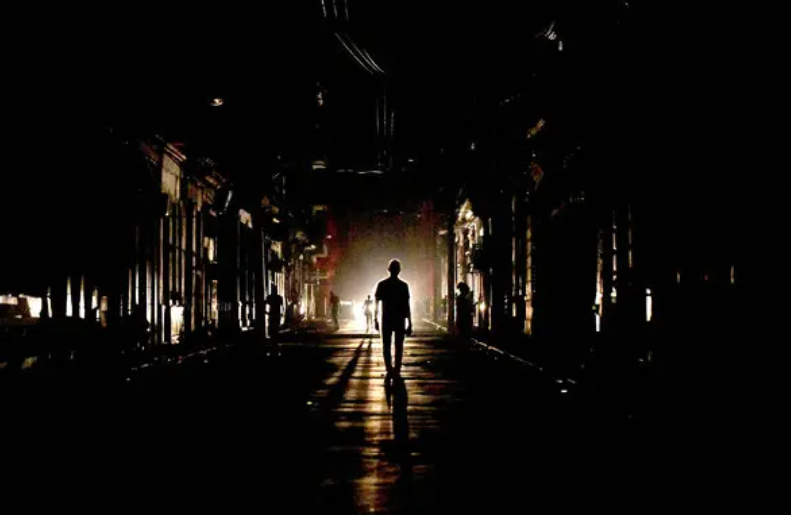
Across the nation of Cuba, periods of long blackouts have become part of the normal everyday life. Most neighborhoods are left without electricity for 12 hours or more and in some cases the power stays out for an entire day. Recently, however, this situation appeared to be much more pronounced when the country’s entire electrical grid collapsed, leaving millions of people in the dark all at once. This major blackout demonstrates how severe the crisis has just become and action is required to fix it. Although this problem has been building for years, it recently reached a breaking point. On many days, Cuba cannot produce enough electricity to meet the country’s needs leading to constant outages. One of the reasons behind this crisis is the nation’s aging infrastructure. Most of their power plants were built decades ago and have not been properly maintained, causing them to break down more often and become less efficient over time.
The effects of these blackouts have significantly affected many of the citizens. Without electricity, many homes lose access to running water because the pumps stop working. Furthermore, food starts to spoil more quickly without refrigeration, and it becomes harder to store medicine safely. Essentially, basic activities such as cooking, working, and staying connected have become more difficult during long outages. Furthermore, hospitals are forced to rely on backup generators, which use specific fuels that are becoming much harder to find today. To continue, fuel shortages are another reason for this crisis. Cuba depends much of its power on imported oil for its electricity system, however shipments have decreased in recent years because of economic and political issues. Without enough fuel, power plants cannot run at full capacity, making blackouts worse. At times, large parts of the country have been left without electricity because of these shortages combined with equipment failures.
The government has become more involved in this situation and has attempted to take steps to improve this situation. Cuba has recently invested more in renewable energy, rather than imported fuel which has helped fix the problem somewhat. However, as conditions continue, frustration is growing among the population. Cuban citizens have protested in the streets of Havana by banging pots and pans which show that many citizens are losing patience with the ongoing crisis. For now, though, it appears that there is no quick solution. Unfortunately, With old infrastructure, limited fuel, and high demand, the electricity crisis is likely to continue.