

By Julie Li
When seniors at East High start talking about the future, one topic comes up almost as much as majors and colleges: money. College isn’t just about getting accepted but also about figuring out how to pay for it. In 2025, the rules around financial aid and loans are shifting in ways that every student should know about.
College Prices vs. What You Actually Pay
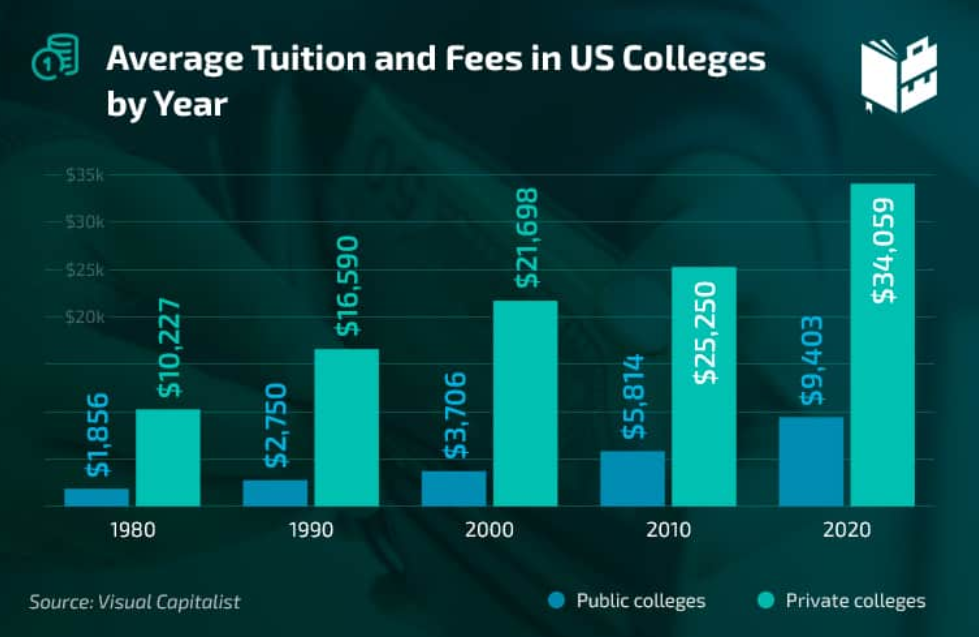
The sticker price of college can be scary. Sometimes over $70,000 a year at private schools. However, here’s the thing: most students don’t actually pay that amount. Between grants, scholarships, and financial aid, the “real” cost (net price) can be thousands of dollars lower. That’s why using each school’s net price calculator is so important. It shows you what you might actually pay instead of the number that makes you want to faint.
What’s Changing in 2025
Tuition keeps creeping up. A lot of colleges are raising prices by 3–5% next year. The good news is that, after aid, the average amount families pay hasn’t jumped as much as headlines make it sound. Loan rules are about to tighten. A new law will cap how much families can borrow starting in July 2026. That means if students are planning on big loans, they’ll want to know about these changes early. Colleges are under pressure. Some schools with huge endowments are facing new taxes, which could eventually affect how much aid they give out, meaning financial aid offices might get stingier in the next few application cycles.
My View on the Issue
Though I’m not going through the college application process, I have been part of the financial discussion. Last year, when my older brother was applying for colleges, I could feel the pressure. When he didn’t make his early decision to attend college at Cornell, he was left to decide where to go. It was obvious that he should go to the next better-ranking college he got accepted into. However, the price was just too much. My family is fortunate financially; however, that doesn’t mean that we can casually pull out a couple of hundred thousand bucks for the next four years. Even after that, with him going towards pre-med, we can’t just get more money for his medical school. Especially by the time he goes to medical school, I’ll need money for college. Plus, it’s not like the movies where we have some random, rich grandparents from the motherland with a castle and everything, or he just happens to be the next generation genius getting a full ride. It’s reality. Where green paper means so much. In the end, he ended up going to the college that offered him a scholarship, Case Western, where we could think about the future reasonably.
What You Can Do Right Now (In Any Grade)
1. Apply, apply, apply for scholarships. Don’t wait until senior year. There are scholarships for athletes, writers, STEM, artists, and volunteers—literally anything.
2. Think about in-state options. SUNY schools and many private colleges have a lot of grads who have gone on to great careers.
3. Talk about it at home. Be open with your family about money. You can create plans to invest money, not just save.