

By Darshini Dayanidhi
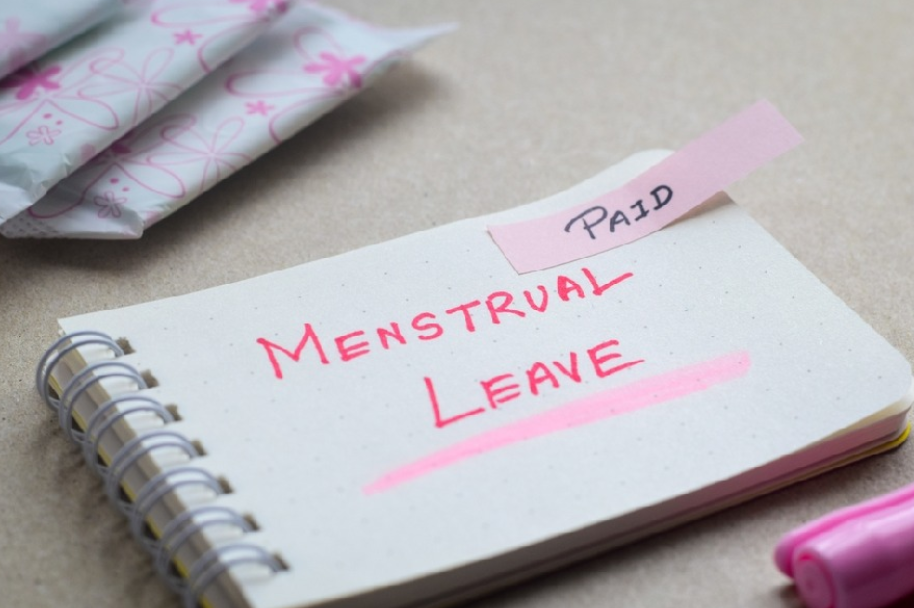
An Indian state, Karnataka, has recently made headlines by approving a Menstrual Leave Policy that gives women in both public and private sectors one paid day off per month for their periods, totaling 12 paid days a year. The policy applies to women aged 18 to 52, including permanent, contract, and outsourced workers.
Labour Minister Santosh Lad called the policy “the most progressive new law that we have brought,” pointing to its flexibility: “Women can take as many as 12 sanctioned leaves in a year, once a month or all at once, whatever they choose as per their menstrual cycle.” He also warned that companies failing to comply will face action, stressing that this is not just a law but a humanitarian policy.
Many women’s rights activists celebrated the move. Brinda Adige, a gender justice campaigner, told Hindustan Times that the policy “is a progressive acknowledgment of women’s health needs at work … By extending this to both public and private sectors, the government is affirming that women’s well‑being is vital to the state’s social and economic progress.”
Still, the response has not been unanimously positive. Uma Reddy, president of the Federation of Karnataka Chambers of Commerce & Industry (FKCCI), raised concerns for smaller businesses. She warned that while large companies might absorb the cost, MSMEs could struggle with “unplanned absences,” and even suggested the policy might deter some employers from hiring women.
Medical voices have also weighed in. Dr. Sowmya Sangmesh, a consultant obstetrician and laparoscopic surgeon, told The New Indian Express that one day may not be enough. “Some may not feel discomfort, but for others, pain can last more than a day,” she said. She also questioned how companies will verify if someone is actually in pain and pointed out that menstrual experiences vary greatly.
From a human resources perspective, though, there is hope. Some HR heads say the policy may not disrupt work as much as critics fear. A Deccan Herald story quoted managers who argued that having a formal mechanism helps women rest when needed, rather than forcing them to use other types of leave.
Still, broader concerns remain. Some worry about the risk of discrimination: if women are guaranteed an extra day off per month, might some employers shy away from hiring them? This concern has been echoed in public debates.
Globally and in other parts of India, menstrual leave is not entirely new; states like Bihar, Odisha, and Kerala already offer versions of this benefit. However, Karnataka’s policy is notable for its scale: by covering both government and private sectors, it sends a stronger signal that menstrual health deserves formal recognition in the workplace.
What happens next will matter. The government has said it will run awareness programs for employers so they understand how to implement the policy. Whether companies actually follow through, whether women feel comfortable using the leave, and whether the policy is enforced with sensitivity will determine whether this is just a symbolic gesture or a genuine shift toward a more inclusive, compassionate workplace.
In the end, for women in Karnataka, this policy offers something many have long asked for: the acknowledgment that it is okay to rest when your body needs rest. Whether that acknowledgment becomes reality will be the important test.