

By: Aarav Sapra
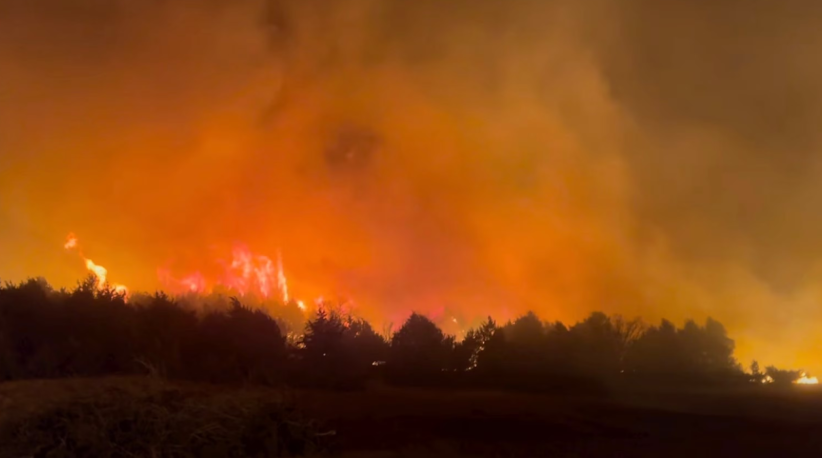
What started off as a series of small brush fires in the state of Nebraska quickly turned into the worst wildlife crisis in Nebraska’s history. Hundreds of thousands of acres have burned, people have been injured, with one person killed, and communities across the state are trying to recover. The largest fire, known as the Morrill Fire, started on March 13 and has burned more than six hundred and forty-thousand acres in western Nebraska. This fire has affected several counties, specifically Morrill, Garden, Arthur, Keith, and Grant making it the biggest wildfire ever recorded in the state. The likely causes of the wildfire, according to governor Jim Pullen, are caused by hot temperatures, strong winds, low humidity, and ongoing drought. Ultimately, four major fires have burned over eight hundred and thirty-thousand acres. An 86-year old woman, Rose White of Arthur, died while trying to escape the Morrill fire. Her death demonstrates how dangerous and quick these fires spread.
In response to the crisis, emergency teams from across the region have worked together to contain the fires and protect communities. The Nebraska National Guard deployed dozens of soldiers and airmen, along with helicopters that dropped thousands of gallons of water over the burning areas. Furthermore, additional support came from nearby states, and thousands of firefighters and emergency personnel joined the effort. These responses helped in some ways by reducing the spread of the fires and protecting homes, farms, and wildlife. Other major fires have also caused serious damage. The Cottonwood Fire burned over one hundred and thirty thousand acres, while the Road 203 Fire and the Anderson Bridge Fire burned tens of thousands more. These fires forced many families to evacuate their homes with little warning, and ranchers had to quickly move livestock to safer areas. These evacuations further show how dangerous and unpredictable these fast-moving wildfires can be.
Although these fires have been extremely destructive, there has been some progress in controlling the situation. As weather conditions improved and winds slowed down, firefighters were able to contain a large portion of the Morrill Fire. This has given communities some relief, but recovery will take time. Many people have lost land, property, and resources that are essential to their daily lives. Experts and governor Jim Pullen believe that climate change is playing a role in making wildfires more severe. Hotter temperatures and drier conditions create the perfect environment for fires to start and spread. Because of this, events like these may become more common in the future. As Nebraska begins to recover, many organizations are accepting donations to help those affected. If you would like to support the state, you can help by donating to the Nebraska Wildlife Recovery Fund.