

By: Darshini Dayanidhi
On Saturday, December 13, 2025, a tragic mass shooting at Brown University in Providence, Rhode Island, left two students dead and nine others wounded in the Barus & Holley Engineering Building shortly after 4 p.m. The victims killed were 19‑year‑old sophomore Ella Cook and 18‑year‑old freshman Mukhammad Aziz Umurzokov. The gunman opened fire with a handgun, discharging more than 40 rounds, and remains at large, prompting an ongoing manhunt by local and federal authorities.
The shooting has rattled the Brown community. Students described barricading themselves in classrooms and libraries, fearing for their lives as they waited for police updates. Many said that the campus—once considered a safe place—now feels fragile and uncertain with no suspect identified.
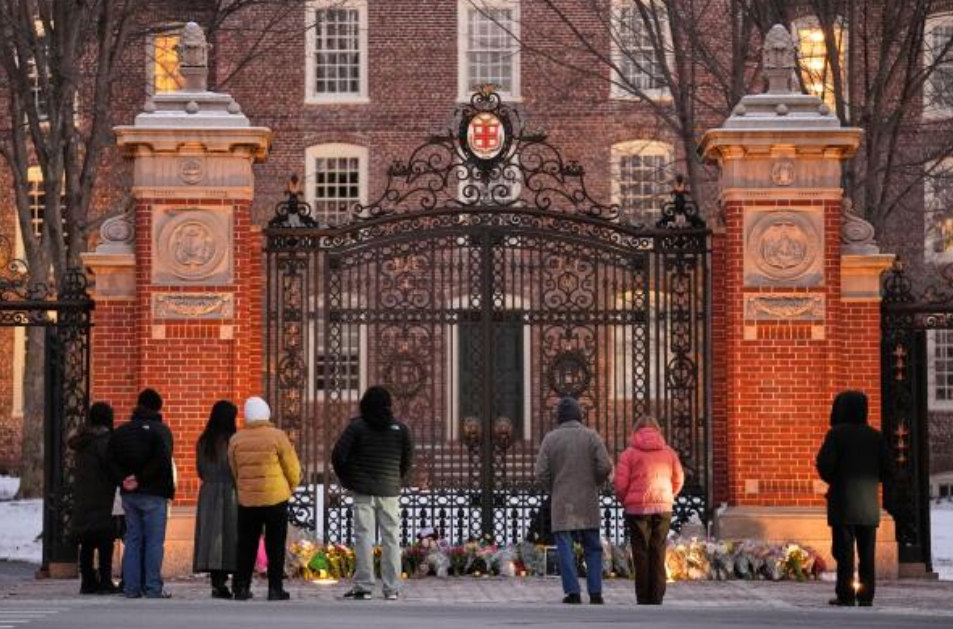
In the days after the attack, students, faculty, and Providence residents have gathered for vigils and memorials. Support has come from across the country and around the world, with statements from other universities expressing sorrow and solidarity with Brown students and families. Inside the Brown community, many have noted how classmates comfort each other. Some students wrote essays and shared reflections on the sense of shared grief and resilience that emerged in the aftermath; specifically, they emphasized that even in tragedy, people have reached out with hugs, free meals from local businesses, and emotional support.
Parents and families, both locally and nationally, have expressed deep anxiety. Counselors note that parents feel helpless and distressed, fearing that violence could touch any school community.
There has been significant frustration around campus security and emergency communication. Some students and neighbors reported confusion over alerts during the shooting, with some not receiving warnings in time. Critics have questioned surveillance coverage and the decision not to use certain emergency sirens, arguing that better systems might help in future crises. Calls for increased security have already begun. Hundreds of students signed petitions demanding better safety measures in campus buildings, and local schools have increased police patrols in nearby neighborhoods.
The Brown shooting has reignited the national debate on gun control policy. Prominent public figures and activists have used the tragedy to call for legislative action. Members of the Kennedy family publicly condemned gun violence and urged stronger restrictions, including universal background checks and bans on certain weapons, framing the issue as a national priority to protect young people.
Public figures beyond politics have also weighed in. NBA coach Steve Kerr, known for his advocacy on gun violence, pointed out that the issue crosses party lines and stressed the need for “common‑sense measures” that could save lives. Some lawmakers, including Senator Chuck Schumer, have echoed these calls, saying Congress should act decisively against gun violence and consider reforms in the wake of another campus shooting. At the same time, discussions online reveal a broad spectrum of opinions: some people argue that the focus should be on improving safety infrastructure and emergency systems, while others see the incident as one more example of the urgent need to overhaul federal firearm laws.
As the community continues to mourn, Brown University canceled final exams and provided counseling services to students and staff. The manhunt for the gunman finally closed when he was found dead of a self-inflicted gunshot wound on December 18, 2025. Authorities have identified the suspect as Claudio Manuel Neves Valente, a 48 year old former graduate of the university.
Meanwhile, the shooting fuels heartfelt debate, grief, and advocacy across the Brown community and the nation, raising difficult questions about safety, gun violence, and changes to reduce the risk of future tragedies.