

By: Jessica Park
On September 15, 2026, Fiji had declared an HIV national emergency after data showed 1 in 60 people in the South Pacific island nation was estimated to be infected. The government says it is boosting testing and treatment efforts to fight a surge in new infections, which have increased 12-fold over the last 15 years, according to the Joint United Nations Program on HIV and AIDS (UNAIDS). However, agencies now had to work together on the crisis, officials said.
Fiji officials said 1 in every 60 adults in the country has HIV, compared to 1 in 167 five years ago. Among pregnant women, 1 in every 50 has HIV.
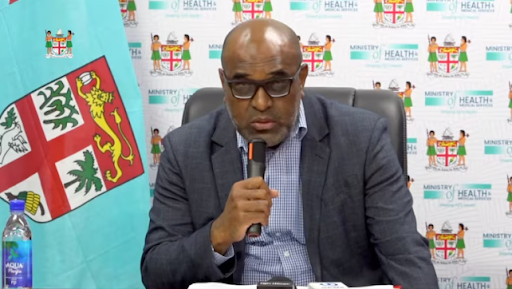
“This means HIV is now a national crisis and the government is treating it like one. No more business as usual,” Fiji’s Health Minister Antonio Lalabalavu said in a video statement on Facebook. “More people in Fiji are living with HIV than ever before.”
Lalabalavu declared the illness had been given “outbreak” status in January 2025 but said the Cabinet had decided in September that such a response was no longer sufficient and should be elevated to a designation of national emergency. That required government agencies to work together with the health ministry on addressing the problem, he said.
“This decision recognizes the seriousness of the epidemic and the urgent, coordinated response our country now needs,” Ratu Antonio Lalabalavu, minister for health and medical services, said in a press statement on September 15. “An outbreak-level response is no longer sufficient,” he added.
The government declared an HIV outbreak in January 2025, prompting an increase in HIV testing. In 2025, 2,016 people were newly diagnosed, 16 times more than in 2019, according to the ministry.
“As testing expanded, we’ve identified more people living with HIV,” Lalabalavu said. “Some of the increase in reported diagnoses reflects [those] greater rates, but the findings also show the seriousness of the epidemic.”
The government offers free HIV testing that provides on-the-spot results, free prevention medications for those at higher risk, free needles for those who inject drugs and free treatment for all those who test positive, according to the ministry.
Analysts say the crisis was driven in part by the growing use of injected methamphetamine, which has exploded across the Pacific as traffickers use island countries as transit hubs for drugs. Fiji’s crisis was “a stark reminder to the world that AIDS is not over,” UNAIDS Executive Director Winnie Byanyima said in a statement.