

Nazifa Hoque
Voters casting mail-in ballots this November will follow the same rules as before. On September 14, the Supreme Court denied the U.S. Postal Service’s emergency request to pause a nationwide preliminary injunction, so the new rule’s mandatory requirements stay blocked for the 2026 election while the court fight continues. Substack
Where the rules came from
The dispute began with an executive order President Trump signed on March 31, which directed the Postal Service to create new security requirements for mail and absentee ballots. The Postal Service then issued its final rule, called “Ballot Mail for Federal Elections,” in late August. fox19jurist
Under that rule, states would have had to report basic voter information, such as each voter’s name and home address, linked to a unique barcode on every mail-in ballot they sent out. Postal workers would then deliver ballots only to voters on the state-provided list. Ballots that didn’t meet the requirements could be sent back to election officials to be fixed before being mailed again. abcnewsfox19
The legal battle
A group of states challenged the rule. On September 4, U.S. District Judge Indira Talwani of Massachusetts issued a preliminary injunction, finding that putting the rule into effect immediately could disenfranchise millions of voters. The First Circuit Court of Appeals refused to pause that injunction on September 10, and the administration then went to the Supreme Court. juristSubstack
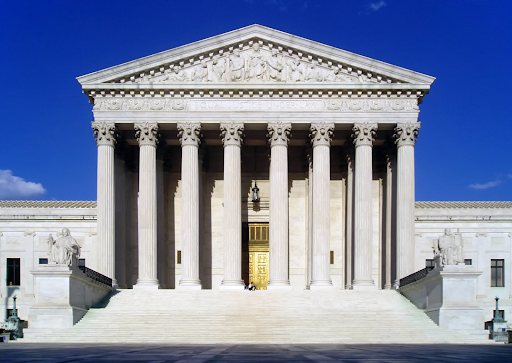
In a brief unsigned order in United States Postal Service v. California, the Court said the government was unlikely to win its challenge to the injunction at this stage and that the balance of fairness did not support emergency relief. Justices Samuel Alito and Clarence Thomas dissented. SubstackCNBC
Not the final word
The case isn’t over. The September 4 injunction is temporary and is not a final judgment on whether the rule is legal. Justice Brett Kavanaugh agreed with blocking the rule for now, but his concurrence suggested the rule could survive in time for the 2028 election. He wrote that there is at least a fair chance the rule falls within the Postal Service’s legal authority. SCOTUS Blocks USPS Mail-Ballot Rules for 2026 +2
Reactions
Trump criticized the ruling on Truth Social, calling it a “big loss for Republicans and America itself,” and repeated his argument that mail voting makes cheating easier for his opponents. However, investigators have not found evidence of widespread mail-ballot fraud, and documented voter fraud cases are rare. fox19fox19
Supporters of the rule saw it as a security measure. The administration argued that the Postal Service has the power to set conditions for ballot mail and that the rule would make elections more secure. Opponents disagreed. Critics say the rules intrude on states’ authority to run their own elections. morristownminuteabcnews
For now, the practical result is simple: if you or your family vote by mail this fall, your state’s existing rules apply.